
Whoa!
I started using token trackers on Solana last year. At first it felt like peeking into someone else’s wallet, weird and addictive. My instinct said there was more to it than just curiosity, and I dove deeper. Initially I thought explorers only let you chase failed transfers, but then I realized they are powerful analytics tools that surface token movements, program interactions, and even airdrop patterns if you know how to read them.
Seriously?
Here’s the thing. A token tracker is not just a balance sheet; it’s a timeline of logic and intent. Medium-term patterns show accumulation or distribution, and short-term spikes often point to program-level activity or snipes by bots. Oh, and by the way, memos are tiny breadcrumbs people leave—sometimes by mistake, sometimes on purpose…
I’m biased, but some explorers make life way easier. I like being practical and a little picky. When I hunt transactions I want clear timestamps, a readable instruction breakdown, and token balances that reflect decimals correctly. The difference between a token showing 0.0000001 and 0.000001 can be the difference between “dust” and “actual value,” so pay attention to decimals and mint metadata. Somethin’ as simple as a wrong decimal interpretation has bitten me before—very very annoying.
Check this out—
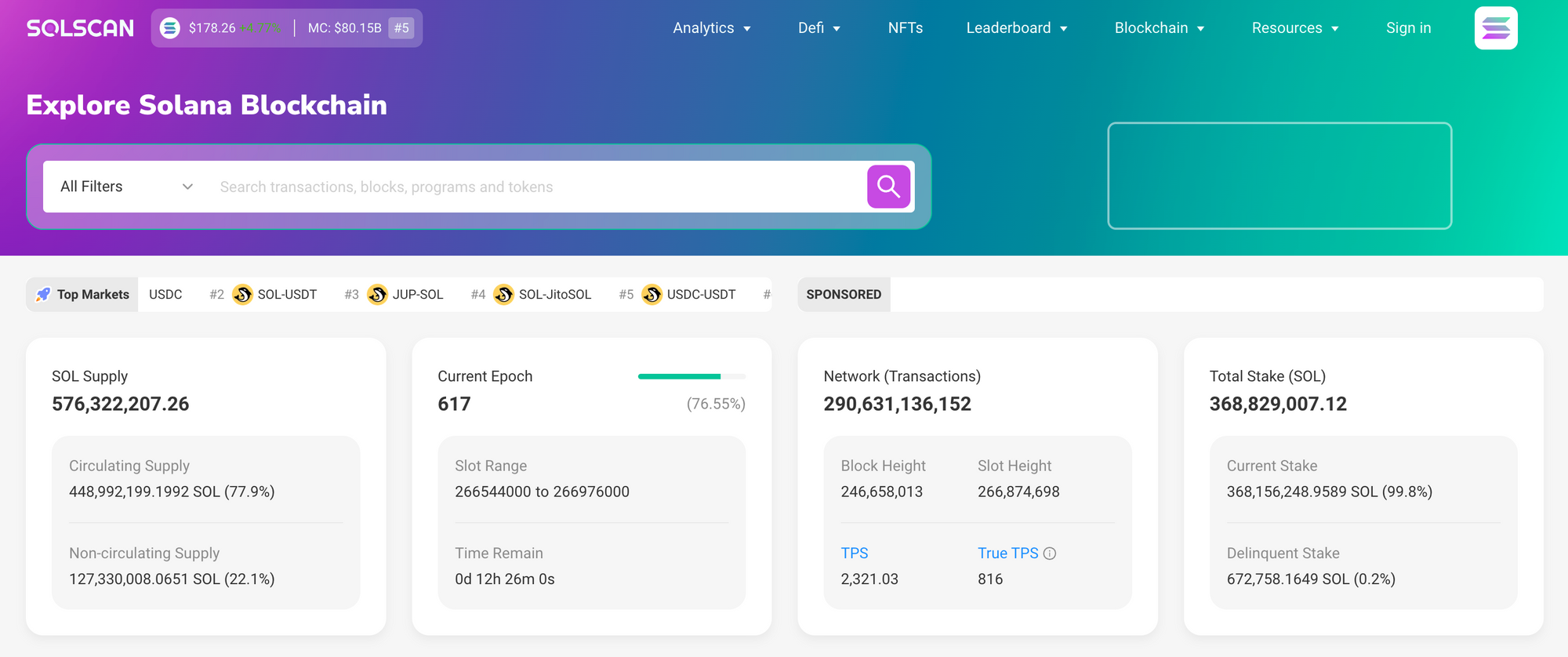
That image captures a moment where a transfer showed multiple inner instructions, a fee payer different from the signer, and an unexpected SPL token burn. It was the kind of thing that makes you pause. On one hand it looked like a routine transfer; though actually it revealed a program-level swap happening inside the same transaction. My first look missed the swap, but a second pass revealed the synth flow—so double-check inner instructions when something smells off.
How I use explorers day-to-day (and a recommendation)
When I’m tracking token flows I usually follow a short checklist: check the signature, confirm slot and timestamp, open the parsed instructions, inspect inner instructions, and then look at token balances for pre/post snapshots. For fast lookups I often start with the transaction signature and jump to accounts that moved value. If I need labeled context (program names, common labelings, or holder concentration) I hit a decent explorer that surfaces that metadata—so I recommend the solscan explorer official site because its parsing and token pages are practical and fast for this workflow. I’m not paid to say that—I’m just sharing what I use, though other tools have strengths too.
Hmm…
There are three common patterns I look for when a token spikes: whale accumulation, coordinated airdrops, or program exploits. Whale accumulation usually shows a few large transfers into a cluster of addresses controlled by the same signer or delegate. Coordinated airdrops often have similar memos or matching block windows, and program exploits tend to leave messy traces like unusual instruction mixes or sudden supply shifts. Initially I assumed all spikes were trading, but time and experience taught me to parse intent more carefully.
Okay, so check these practical tips.
First, always confirm the signature on-chain and don’t trust cached balances alone. Second, use filters: token address, holder list, and time window are your friends. Third, inspect the mint account for decimals and supply; sometimes wrapped or bridge tokens have different metadata that confuses explorers. Fourth, watch inner instructions—swaps and programmatic burns often live there and they tell the real story. Fifth, set a watchlist or alert if you care about follow-up movements.
Actually, wait—let me rephrase that…
Explorers give you the raw facts, but your interpretation is where mistakes happen. On one hand you can see token movement and assume intent, though on the other hand the same sequence could be automated market-maker rebalancing, an arbitrage, or an exploit attempt. Use on-chain labels, but don’t treat them as gospel. If multiple explorers, indexers, or RPC nodes disagree, dig deeper rather than trusting the first result.
Security and privacy matter.
Never paste your mnemonic or private key into any explorer; that should be obvious but I still see people ask weird questions. Watch out for phishing clones of mainstream explorers—small UI differences, odd URLs, or requests to connect wallets for simple read-only checks are red flags. If you’re analyzing many addresses consider a local indexer or paid API to avoid being rate-limited by public RPC nodes. Also note that public explorers index what they can; fast forks or unconfirmed transactions might not show up immediately.
Here’s a short advanced tip.
If you’re tracking an airdrop, snapshot behavior matters: some programs take snapshots at specific slots, others use off-chain lists. So monitor both token holder changes and on-chain program logs during the snapshot window. I once missed a claim because I assumed the snapshot used holder balances at epoch boundary, when actually it used a specific slot range—lesson learned. Small assumptions can cost you claims or mislabel your analysis.
Quick closing thought.
My emotional arc with explorers went from curiosity to slight obsession to cautious confidence. I still get surprised—often by weird inner instructions or mislabeled mints—and that keeps it interesting. If you’re building workflows, add redundancy: multiple explorers, a reliable RPC, and human review for edge cases. I’m not 100% sure about the right toolchain for everyone, but this approach has saved me time and a handful of embarrassing misreads…
FAQs
How many confirmations should I wait for SOL transactions?
For most purposes 1-2 confirmations are fine on Solana for simple transfers, but for large value moves I wait for 32 confirmations or the next block boundary to be safe; program-specific logic can require longer, so check the program docs when unsure.
Can explorers track SPL token mint changes?
Yes, explorers parse mint accounts and will show supply changes, freeze authorities, and decimals; if you see sudden supply shifts, inspect the mint authority and inner instructions for burns or mint calls.
Why do some token balances look wrong?
Usually it’s decimals or stale indexing: verify the mint’s decimals, refresh the page, or query a fresh RPC. Sometimes wrapped or bridged tokens use different metadata, which confuses naive parsers—always check the mint account directly.

